
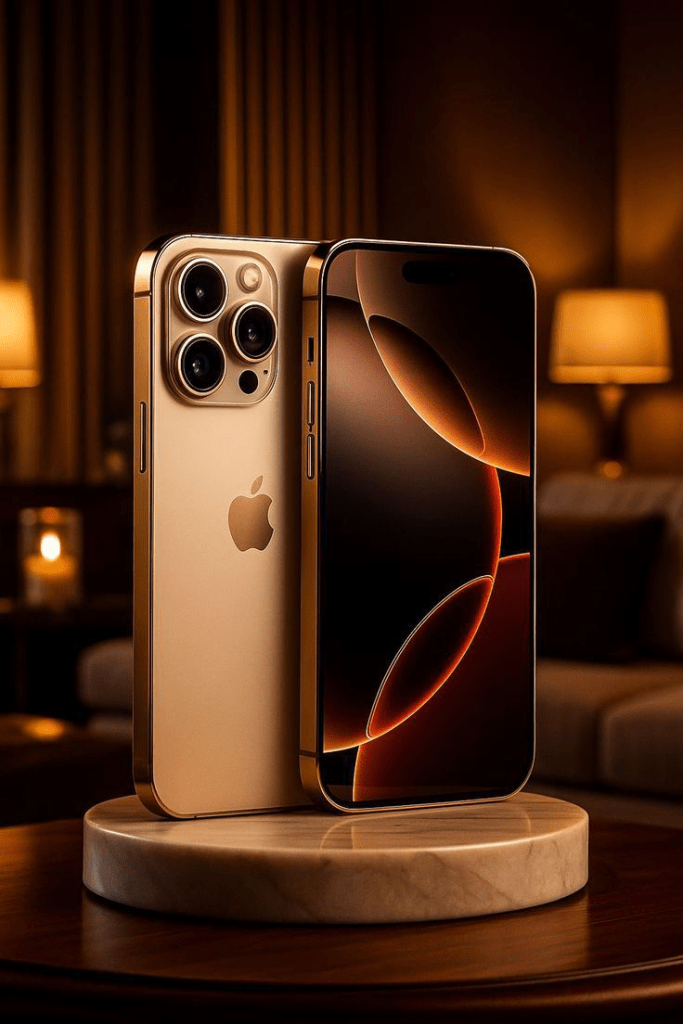
In the landscape of 21st-century technology, few consumer products have shaped culture, aspiration, and lifestyle as profoundly as the iPhone. More than a communication device, the iPhone has evolved into a global symbol of luxury; an object that blends cutting-edge engineering with an aura of exclusivity. Its influence stretches far beyond its hardware; it represents status, refinement, and the modern desire for seamless digital living. Understanding the luxury significance of the iPhone requires examining its craftsmanship, brand identity, cultural power, and socioeconomic symbolism.
Luxury in the modern age is defined not merely by opulence but by the union of design excellence and technological sophistication. From its earliest models to titanium designs and current aluminum-framed flagships, the iPhone has consistently embodied this union. Apple has cultivated an obsessive attention to detail and precision-machined bodies, minimalistic aesthetics, and an interface polished to visual perfection. This craftsmanship transforms the device into a tactile luxury object, elevating it beyond utilitarian purpose.
The interplay of hardware and software further amplifies its premium status. The iPhone delivers a level of performance refinement that, for many consumers, justifies its elevated price point: fluid animations, tightly integrated apps, and industry-leading innovations. These traits have positioned the iPhone as a benchmark for quality in consumer electronics.
Luxury also thrives on identity and Apple has mastered the art of branding. The iPhone is not simply purchased; it is chosen as a statement. Apple’s branding narrative emphasizes simplicity, exclusivity, and lifestyle enhancement. Minimalist marketing, iconic keynote events, and a community of devoted enthusiasts cultivate an ecosystem where owning an iPhone symbolizes affinity with a certain class of modern global citizen.
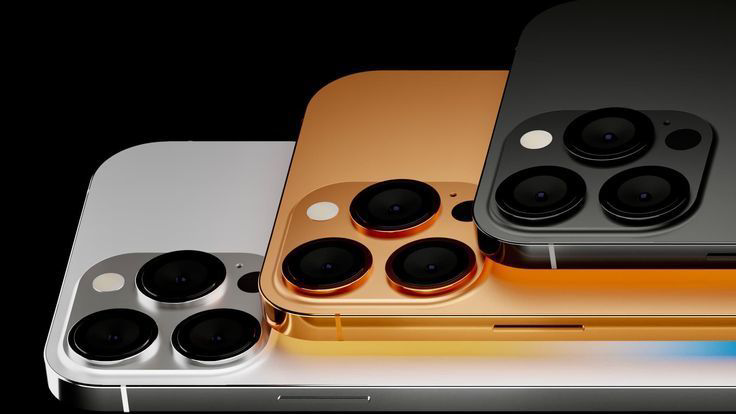
This sense of identity is reinforced by the Apple ecosystem. Devices communicate effortlessly, creating a closed but elegant environment; AirPods that sync instantly, MacBooks that unlock by proximity, and services that extend the personal sphere of the user. This cohesive world deepens the luxury appeal, as users pay not only for a phone but for entry into a sophisticated lifestyle.
In the 21st century, the iPhone has also become a form of cultural capital. In many societies, the device functions as a visual indicator of social standing. The iconic silhouette, the distinctive camera array, and the familiar Apple logo are instantly recognizable. For some, the iPhone’s premium pricing functions as a filter distinguishing its owners in a world saturated with technology.
Digital culture further reinforces this symbolism. On social media platforms, influencers and tastemakers often feature iPhones as part of their aesthetic expression. Filmmakers, photographers, and artists highlight the device’s creative potential. In professional settings, the iPhone subtly conveys reliability and prestige. Its cultural relevance is so pervasive that it has become a shorthand for modern sophistication.
The iPhone occupies a rare space within the luxury market: accessible yet aspirational. While not as exclusive as traditional luxury goods like high-end watches or couture fashion, it carries a comparable aura. The premium price tag is both a barrier and a badge: one that uniquely maintains desirability while enabling broad global adoption.
This economic positioning has transformed the smartphone from a mere communication tool into a consumer luxury category of its own. Apple’s ability to release iterative, high-cost models year after year, while maintaining demand and desirability, reflects the power of the iPhone’s luxury identity.
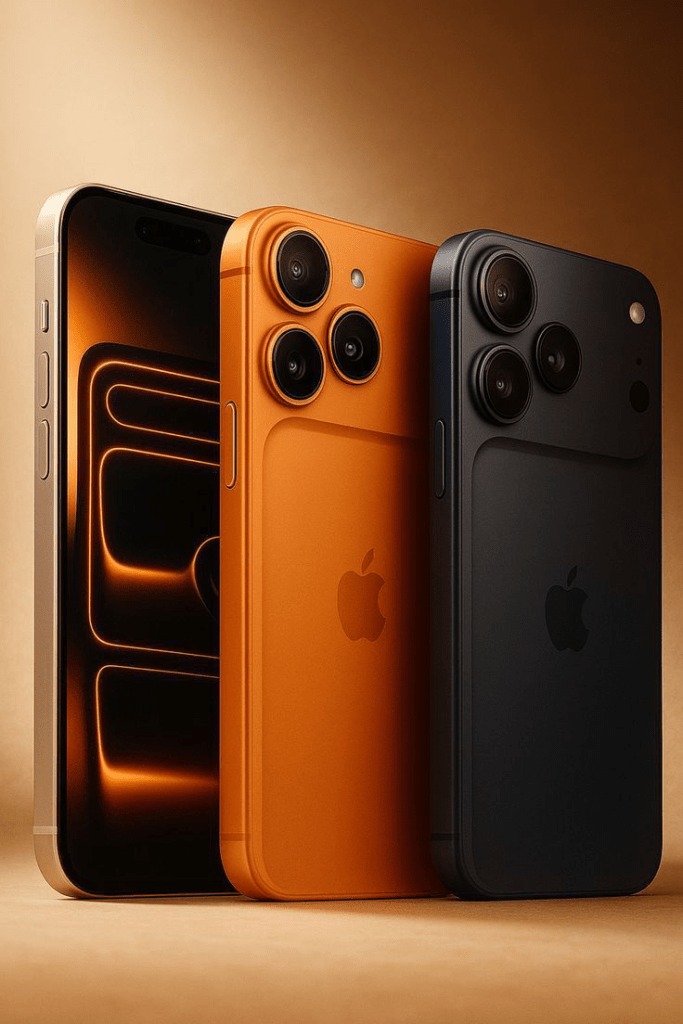
As the 21st century progresses, luxury is increasingly defined by digital experience, personalization, and sustainability. The iPhone continues to align itself with these shifting values incorporating recycled materials, enhancing security and privacy, and exploring emerging technologies like spatial computing and AI integration.
Its future significance will likely deepen as technology becomes even more intertwined with personal identity. In a world where luxury often means effortlessness, the iPhone stands as a pinnacle of convenience, elegance, and innovation.
The iPhone’s luxury significance in the 21st century lies in its ability to merge high-end design, technological excellence, cultural symbolism, and economic aspiration. It is more than a device; it is a social marker, a creative instrument, and a modern emblem of status. By transforming the smartphone into an object of desire, Apple has not only shaped consumer expectations but also defined what luxury means in the digital age.
 MAGNIFICENZA